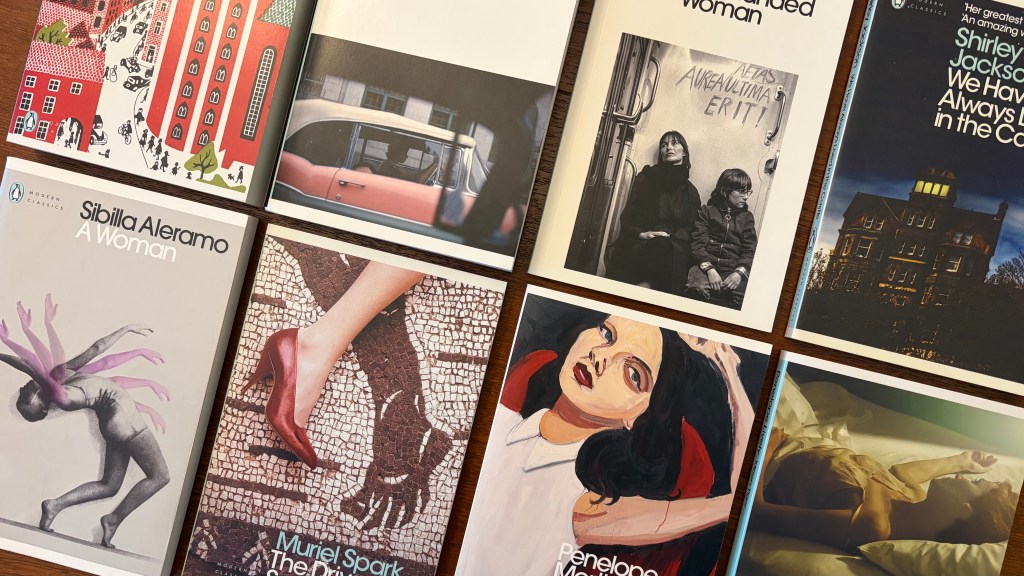
I’ve read over 40 Penguin Modern Classics so far and amongst them are some of my favourite books of all time.
Penguin launched their Modern Classics line in 1961. It was for a while renamed ’20th Century Classics’ before reverting to the original name. They’ve had many different designs over the years, but right now they feature the signature ‘eau de nil’ green-blue colour on the spine and back cover.
To speak of the physical books themselves, Penguin Modern Classics arguably have the best ‘flop’ of any books on my shelf, making spine-breaking unnecessary (unless it’s a thick volume). They rarely miss with the cover designs, and they strike the right balance between making each volume look unique (I’m looking at you Fitzcarraldo) but still cohesive as a collection.
As someone who reads a lot of 20th century literature, mostly by women, Penguin Modern Classics have a lot to offer. Below are ten of my favourites, in no particular order.
The Driver’s Seat by Muriel Spark
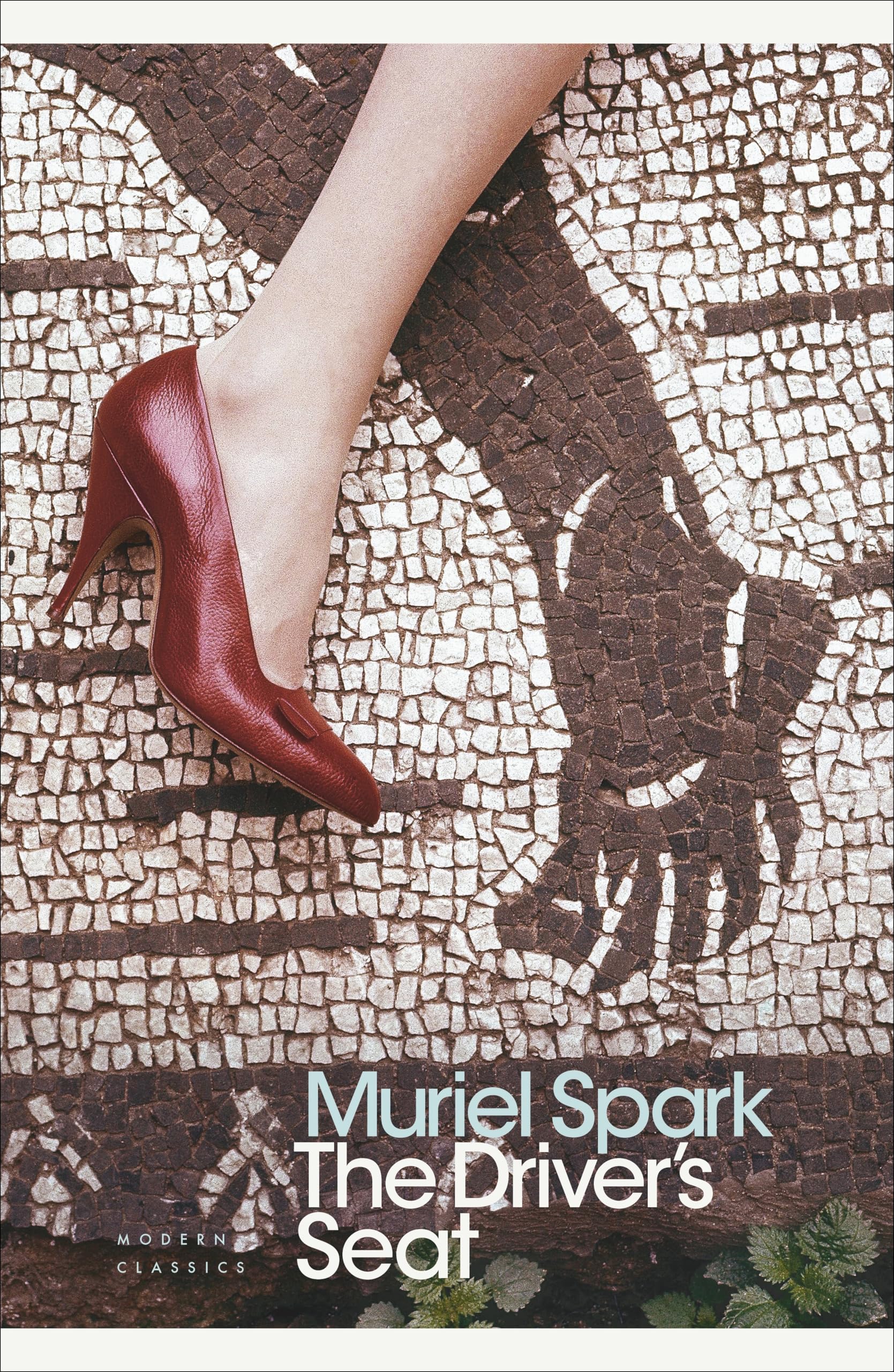
As a die-hard Muriel Spark fan, no favourites list would be complete without at least one of her novels. Out of those published by Penguin, The Driver’s Seat lands in the top spot for me. It follows Lise, a thirty-something London secretary, who leaves everything behind to go on the holiday of a lifetime in an unnamed European city. But it soon becomes clear that Lise’s motivations are much darker than wanting to see the sea…
The Driver’s Seat is a brilliant example of Spark’s ability to tell you what’s going to happen on the first page, and then still keep you hooked until the very end. It’s only a slim volume, coming in at 128 pages, but fans of Spark will know she can pack a punch in as few words as possible.
The Pumpkin Eater by Penelope Mortimer
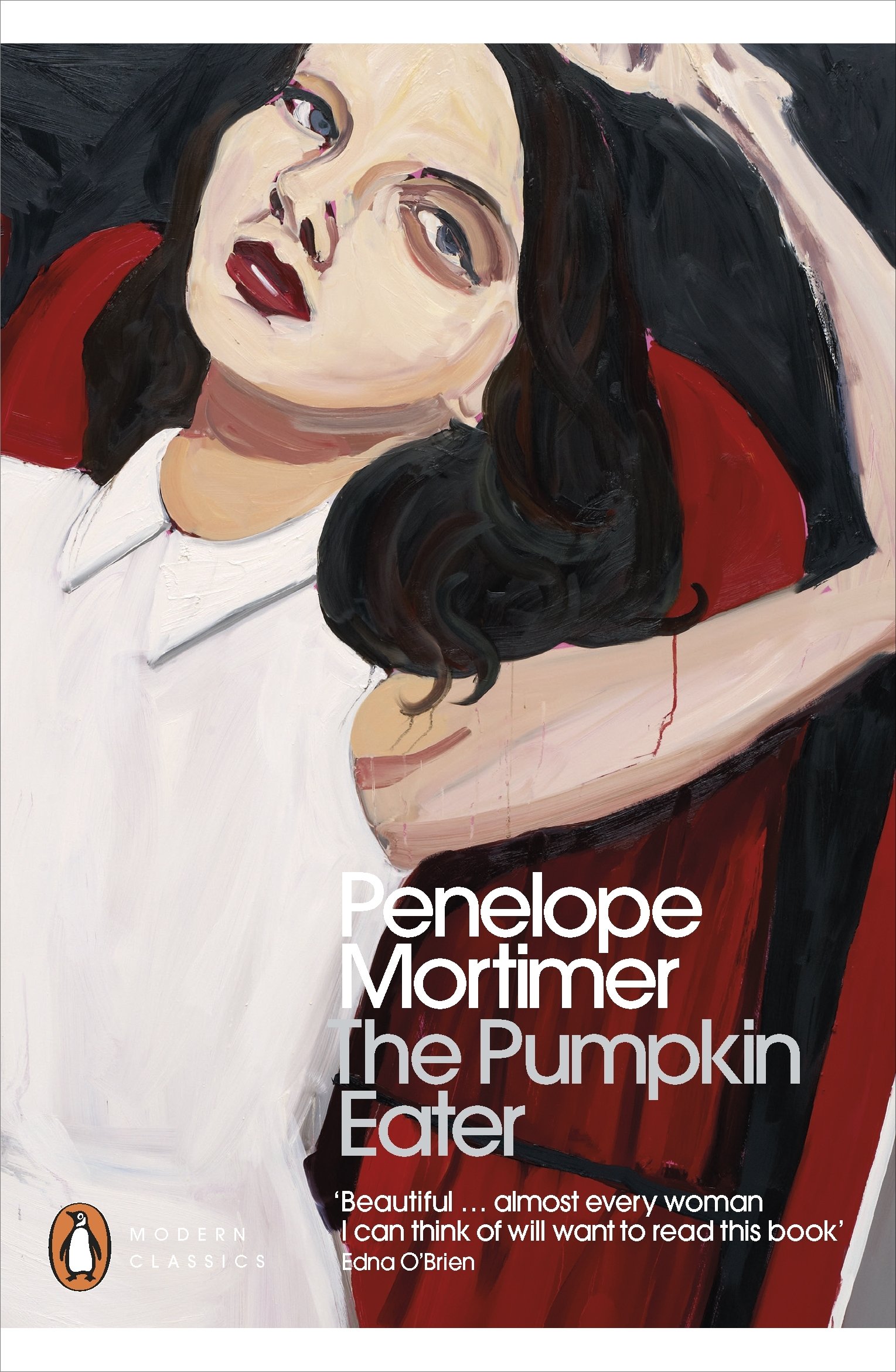
One of two Penelopes on this list, Penelope Mortimer’s The Pumpkin Eater is a semi-autobiographical novel that follows a nameless woman as she sinks into depression surrounded by her numerous children and unsympathetic husband. If you’re looking for a plot-heavy book, this one might not be for you, but I found the writing to flow in a way that swept you along to the end.
Moon Tiger by Penelope Lively
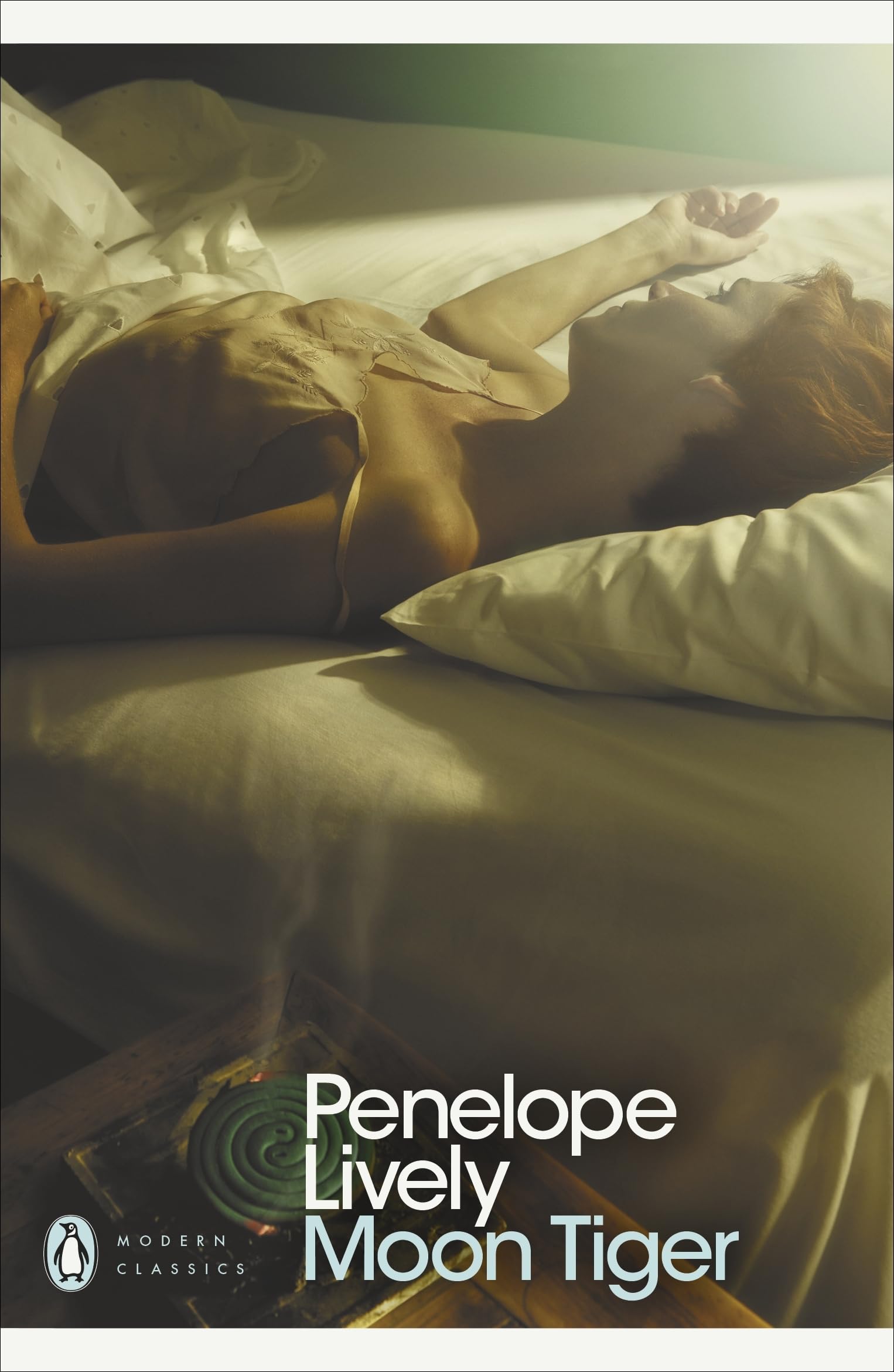
One of the newer novels under the Penguin Modern Classics umbrella, Penelope Lively’s Moon Tiger won the Booker Prize in 1987 and earned its rightful place as a classic of the 20th century. It follows Claudia Hampton as she looks back over her life from her deathbed. It’s a masterclass in place as character and has some beautiful observations about love and loss.
Childhood, Youth, Dependency by Tove Ditlevsen (tr. by Tiina Nunnally and Michael Favala Goldman)
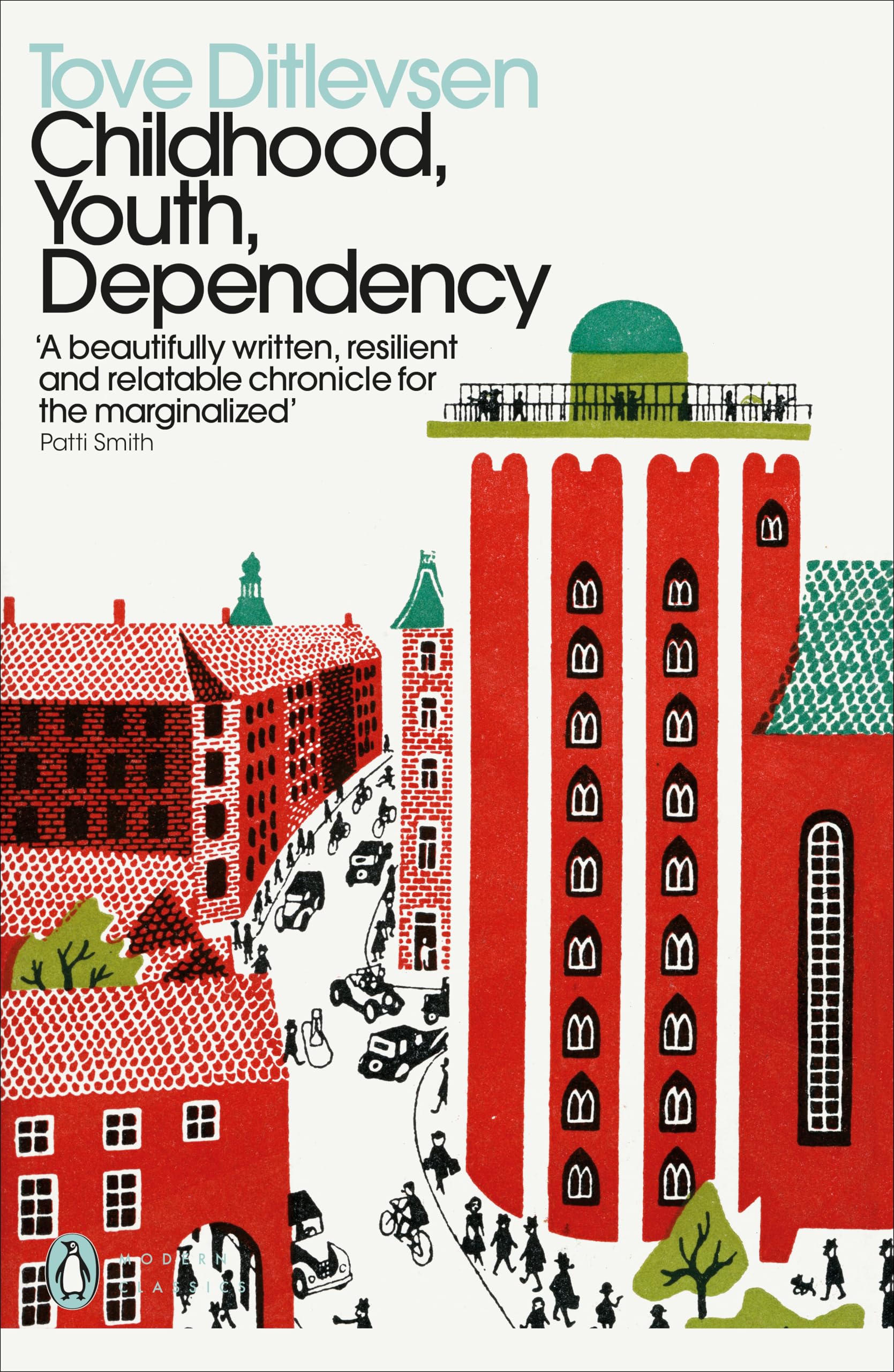
So I’m getting to this point in the list and realising how many of these books are autobiographical or semi-autobiographical…perhaps writers do their best work when they turn their sharp wit to their own lives. Tove Ditlevsen’s three-part autobiography is equal parts crushing and uplifting. It follows Ditlevsen’s early life through to adulthood in a working-class neighbourhood in Copenhagen. I’d highly recommend reading all three parts back-to-back for a really immersive experience. Ditlevsen’s writing puts you there in the room with her throughout, and coming up for air at the end will have you looking around wondering where you are.
All My Cats by Bohumil Hrabal (tr. by Paul Wilson)
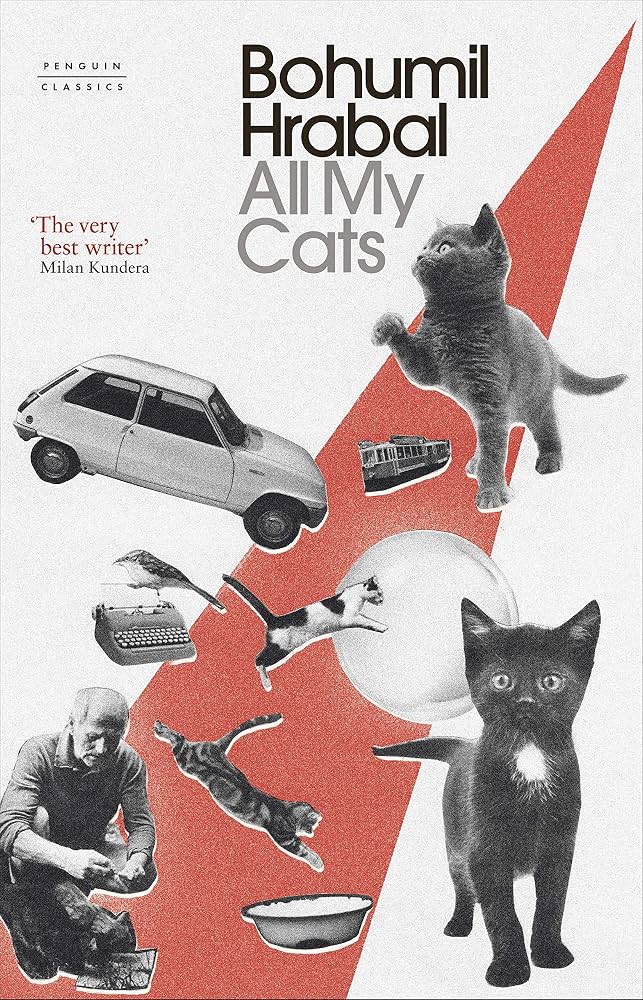
In 1965, Bohumil Hrabal bought a weekend cottage in the countryside outside of Prague, and there he cared for a community of cats that increasingly overwhelmed him over the years to come. As many disgruntled reviewers on Goodreads point out, this is not a cute and cuddly book about a man who loves cats. If that is what you want, run away and don’t ever come back. Even for me, this was a book that found me in the right mood, and if it hadn’t, it might have been thrown to the ground in disgust as it has been by many others. But Hrabal’s writing is beautiful and it’s rare to read something that feels so close to the truth of the author’s heart. Reading it is an exercise in reserving judgement.
The Ice Palace by Tarjei Vesaas (tr. by Elizabeth Rokkan)
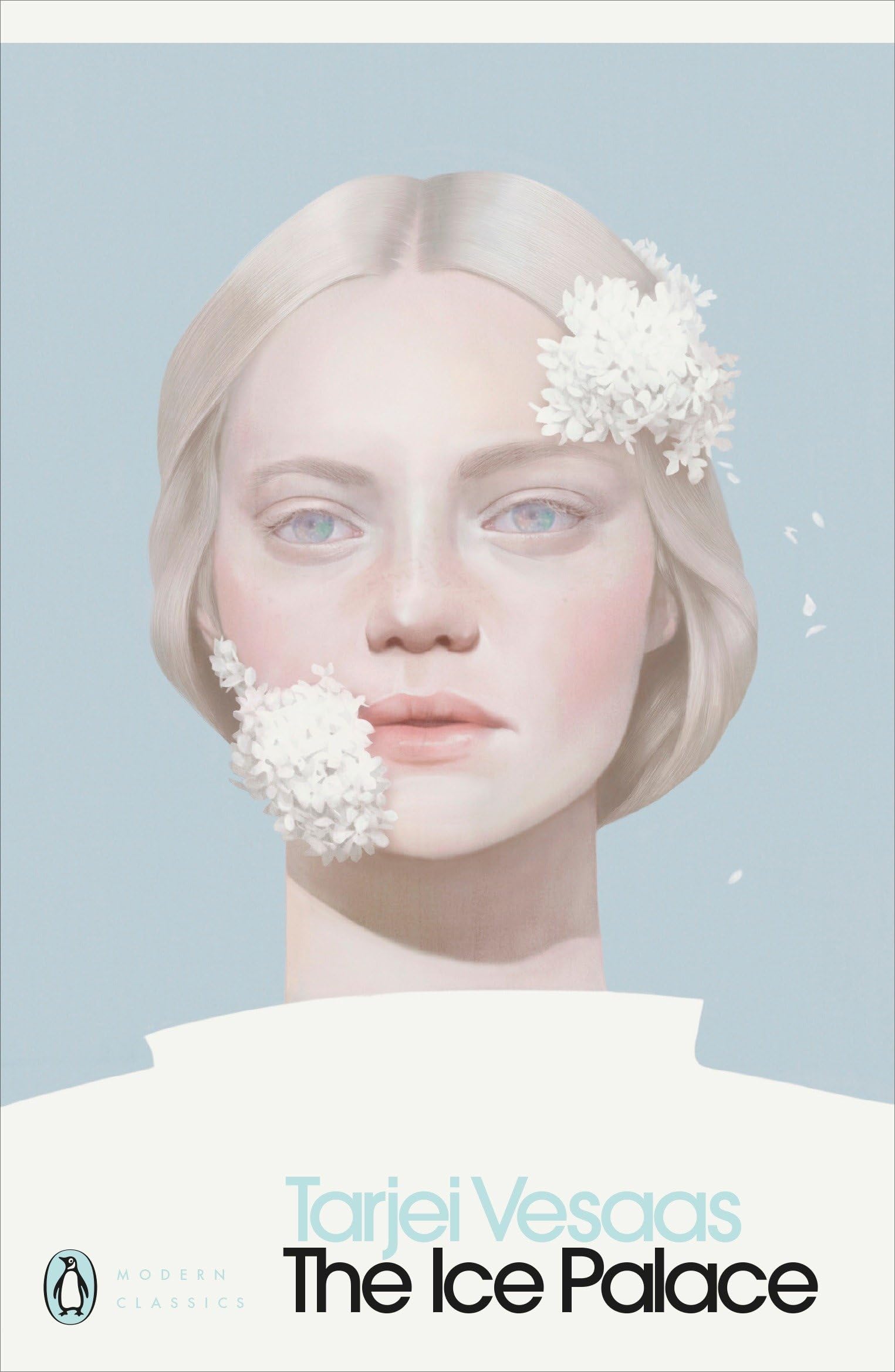
If January was a book, this would be it. Cold, dark, sad – what more could you want? It’s a stunning meditation on friendship, loneliness and being an outsider. It perfectly captures the intensity of finding someone who understands you. It’s another brilliant example of using place as character – you can feel the cold seeping through the pages as Siss explores the ice palace in search of her friend. Grab a blanket, a hot chocolate, and get reading – you won’t regret it.
I Never Promised You A Rose Garden by Joanne Greenberg
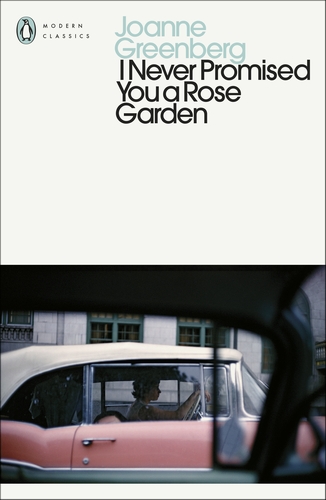
Another semi-autobiographical masterpiece, I Never Promised You A Rose Garden details 16-year-old Deborah’s experience in a psychiatric hospital in the ’50s. I’ve read my fair share of novels and biographies depicting psychiatric facilities around this time, and I Never Promised You A Rose Garden is a refreshingly positive account of a patient-therapist relationship. The confined feeling of the hospital is broken up by Deborah’s imaginary kingdom of Yr, which she retreats into and takes us with her. The writing is just exquisite, and for anyone who has struggled with mental illness it’s a real testament to recovery and self-belief.
A Woman by Sibilla Aleramo (tr. by Erica Segre and Simon Carnell)
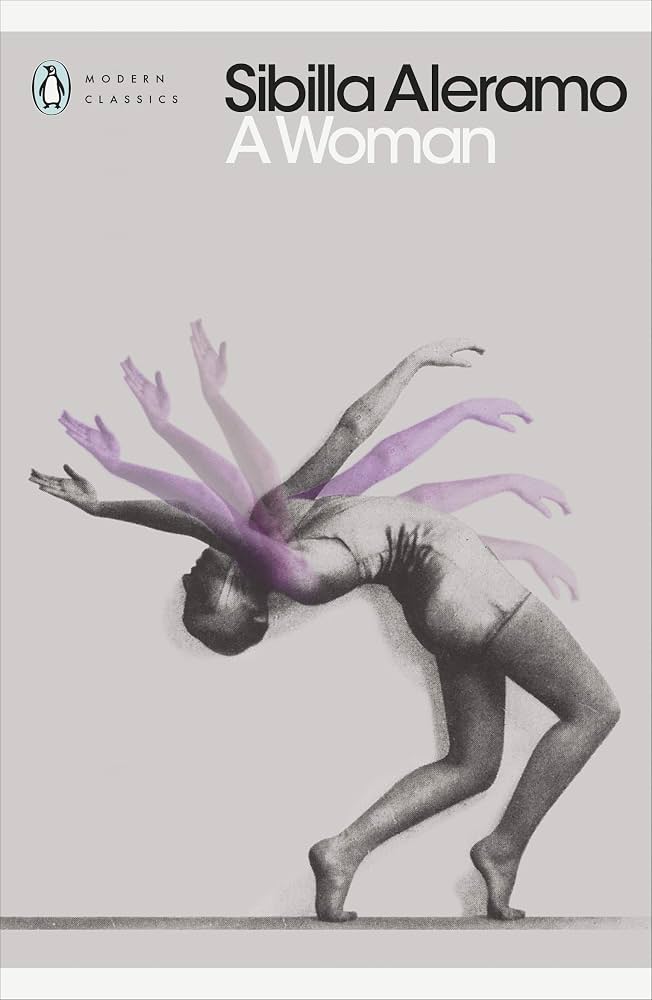
Okay so I’m probably really late to this one, and Italian school children have been reading (and I hope loving) this book for many years, but Sibilla Aleramo’s A Woman (Una Donna) is absolutely worth the hype. It’s a study in how moments make a life, and Aleramo chooses them perfectly. We follow the nameless narrator from childhood through to motherhood in the early 20th century, discovering with her that women are second-class citizens and that the personal is very much the political. This is one of those books that I think everyone should read, it hits you in the gut and then you say thank you because it’s so gorgeously written.
We Have Always Lived in the Castle by Shirley Jackson
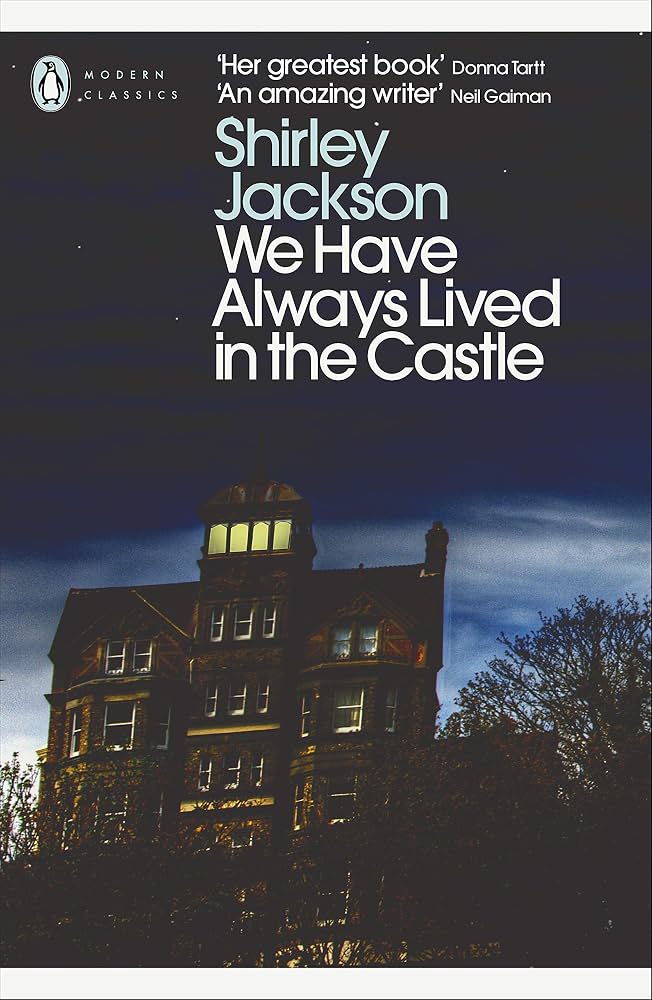
Shirley Jackson is up there as one of my favourite authors, and although I love her short stories, We Have Always Lived in the Castle is to me her best work. I actually picked this up by accident in my teens, confusing it with I Capture the Castle by Dodie Smith, which Jacqueline Wilson said was one of her favourite books (and who am I to argue with Wilson’s taste?). It tells the story of young Merricat Blackwood, and just how far she will go to protect her family and their way of life. It’s eerie, it’s beautiful, and all I can say is: read it!
The Left-Handed Woman by Peter Handke (tr. by Ralph Manheim)
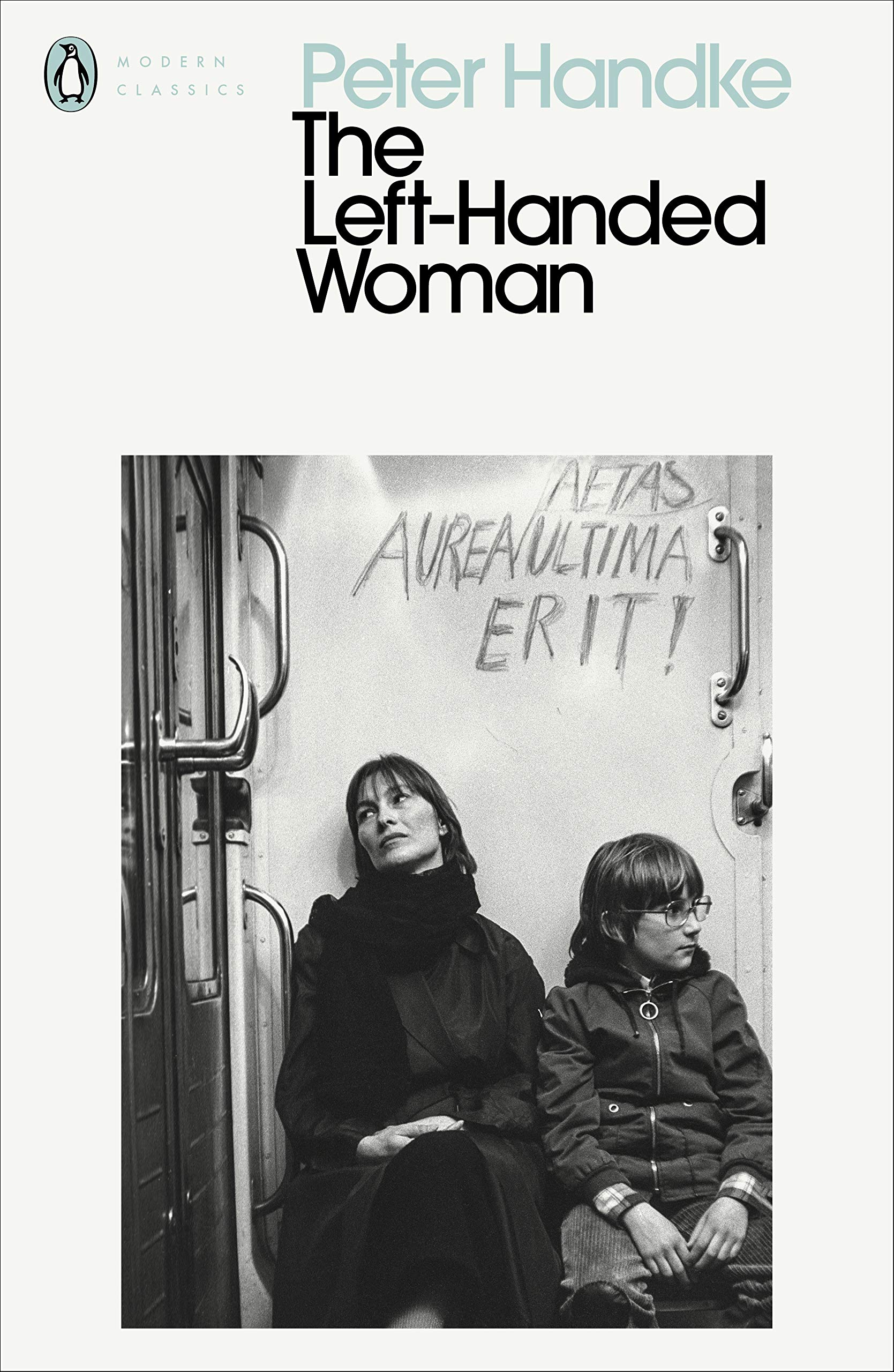
The shortest book on this list, coming in at a teeny tiny 67 pages (can you tell I like a novella?), Handke’s The Left-Handed Woman is short and…sour. Marianne, hit with the realisation that her husband will one day leave her, takes matters into her own hands and sends him away. Despite being a major sceptic of men writing women (sorry, men), I found this one landed for me and carried me through in one very enjoyable sitting.
With over 1,000 Penguin Modern Classics in and out of print, I would love your recommendations!


Leave a Reply