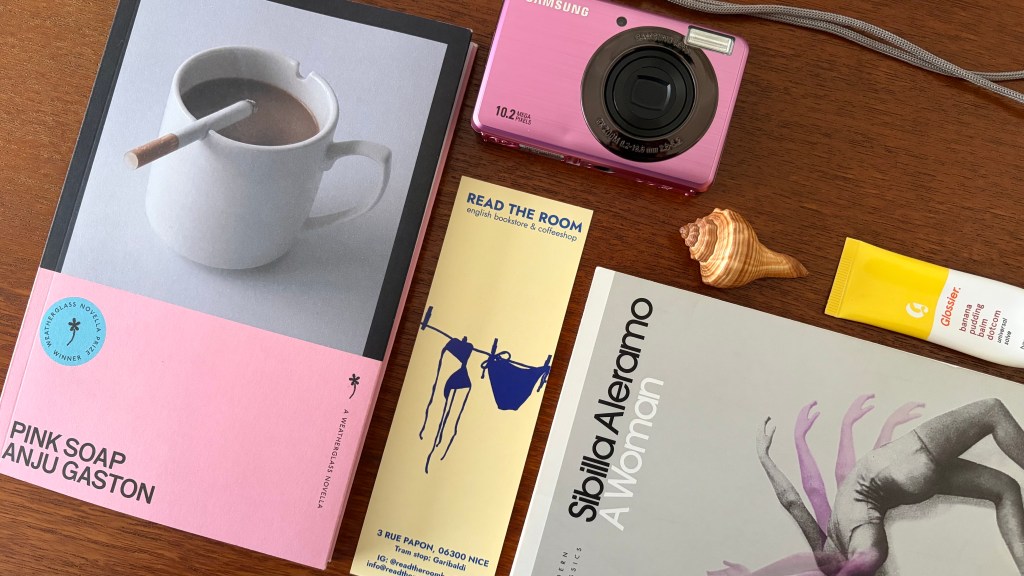
Following an intense reading slump in July, August turned out to be a great month of reading, both in terms of number of books read and reading enjoyment. I think having to power-read Lucky Red before my book club meet propelled me out of my reading slump and our next book club choice, Hello, Limerence, was a quick win after this. I then went on to read two new favourites, I Never Promised You a Rose Garden and A Woman (Una Donna), before picking up Pink Soap on holiday in Nice’s English-language bookshop Read the Room. I also finished reading The Woman Warrior for the Open Yale course I am taking in my own time. In total I read 6 books and 1,370 pages.
Lucky Red by Claudia Cravens
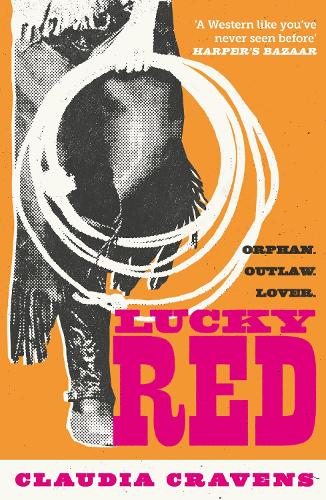
Lucky Red was my book club’s choice for July and, unusually for me, I left it to the last minute to read. As much as the premise of a sapphic western sounds great, I felt before I even started reading it that this might pull a little YA for my liking, and I was right.
The story follows Bridget, who is recruited to work at the ‘Buffalo Queen’ whorehouse after the death of her father leaves her orphaned and penniless. Here she meets a cast of quite brilliant characters, and soon falls for another woman for the first time in her life. And then gunslinger Spartan Lee rides into town, and she and Bridget begin a torrid affair.
I appreciated the queering of the genre and the ‘found family’ aspect of the story in the whorehouse. Bridget’s fellow whores were the highlight of the book for me, bringing the most dimension to the story. The plot was twisty and progressed at a good pace, but significant developments did feel bunched up towards the end of the book.
I think the writing contributed to this book feeling more YA to me. I don’t think I’ve ever read a book with such a high similes-per-page count. Most of the time the writing felt in-keeping with our first-person narrators basic level of eduction, but then the occasional word, such as ‘admixture’ (just say mixture?), would throw you off.
Another thing that categorised Lucky Red as YA in my mind was how Cravens somewhat glazed over the daily realities of prostitution. Yes, there were some serious scenes where the nasty side of whoring was made clear, but I felt the daily toll of selling oneself, especially for Bridget’s character who came into it with no experience, was not explored enough for me. However, I understand that writers have to pick and choose what they focus on, and exploring this more might have made the book less fun and also potentially centred it around men more (boo).
Overall, I think Lucky Red is a good debut from Cravens and I would recommend it to readers looking for queer historical fiction and a bit of fun. I also think it’s a good book club book, as there’s lots to discuss in terms of writing, plot, characters, and the author’s intentions.
Hello, Limerence by Momo Yamaguchi
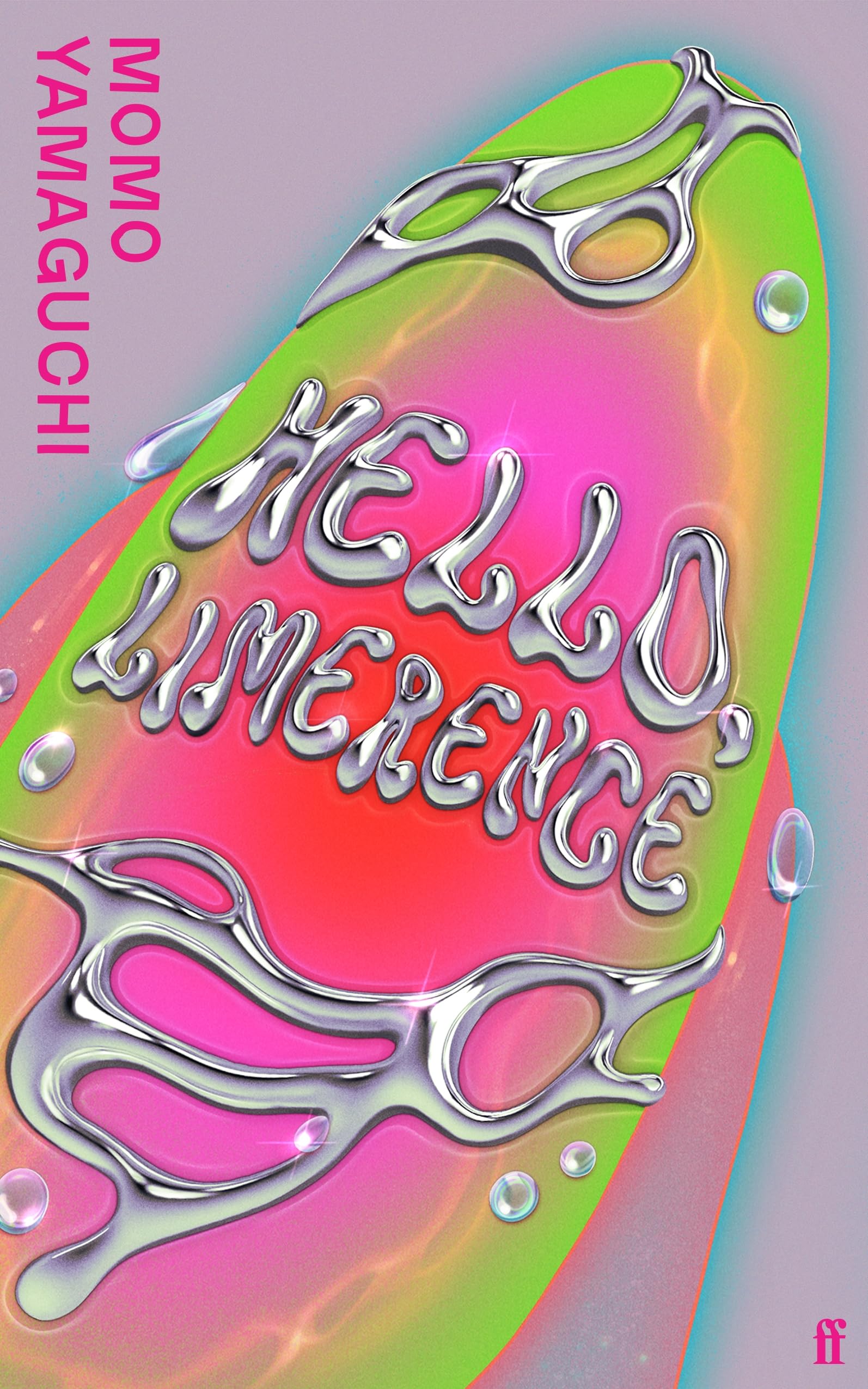
Next I jumped straight into our book club pick for August which was Hello, Limerence by Momo Yamaguchi. This was a short, sharp, snappy book that I finished in a couple of days.
It follows Mika, who hates her office job and is still a virgin at 24. She’s got quite the active imagination, which we sometimes dive into in italics, and she’s ready to put herself out there and turn pining into action.
I think if I’d been in the wrong mood this book might have pissed me off, but fortunately I found it thoroughly charming. It’s very contemporary, very Gen Z (of which I am part), very explicit, but undeniably fun. It has the shock-factor of Fleabag and Sheena Patel’s I’m A Fan. It’s fairly experimental, with some chapters just consisting of text message re-drafts, lists, or imaginary torture scenarios.
It’s not the sort of book I’d hand to someone of an older generation and say ‘here, this will help you understand us better’. I don’t think they’d understand half of it. It’s a book by a girlie, for the girlies, and I’m glad I’m reading it with the girlies in my book club.
I Never Promised You A Rose Garden by Joanne Greenberg
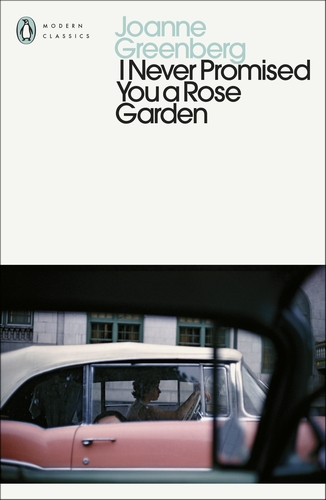
I’ve had I Never Promised You A Rose Garden on my bookshelf for quite a while, and I finally felt that now was the time to pick it up. And I was right – what a masterpiece.
I Never Promised You A Rose Garden is Greenberg’s semi-autobiographical account of her experience in a psychiatric hospital in the 1950s. Sixteen-year-old Deborah arrives at the hospital with her sense of self shattering, retreating into her imaginary kingdom of Yr. But as she works with her psychiatrist, Dr Fried, she begins to see a path to recovery and a life outside the hospital and her own mind.
I’ve read my fair share of novels and autobiographies about psychiatric hospitals at this time, many of them extremely heartbreaking. Whilst Deborah’s story is undeniably painful, and some of the hospital practices very archaic, it was refreshing to read about a positive patient/therapist relationship. Dr Fried approaches Deborah’s illness with compassion and a genuine desire to see her recover.
The writing was just stunning, somehow never boring despite the confined nature of the setting. Deborah’s magical kingdom of Yr provided a second world to break up the white monotony of the hospital. It was filled with beautiful observations about life, and also very considered thoughts on mental illness and why the mentally ill are so often villainised and othered.
I’d highly recommend I Never Promised You A Rose Garden to just about everyone – it’ll stick with you long after the final page.
A Woman (Una Donna) by Sibilla Aleramo (tr. by Erica Segre and Simon Carnell)
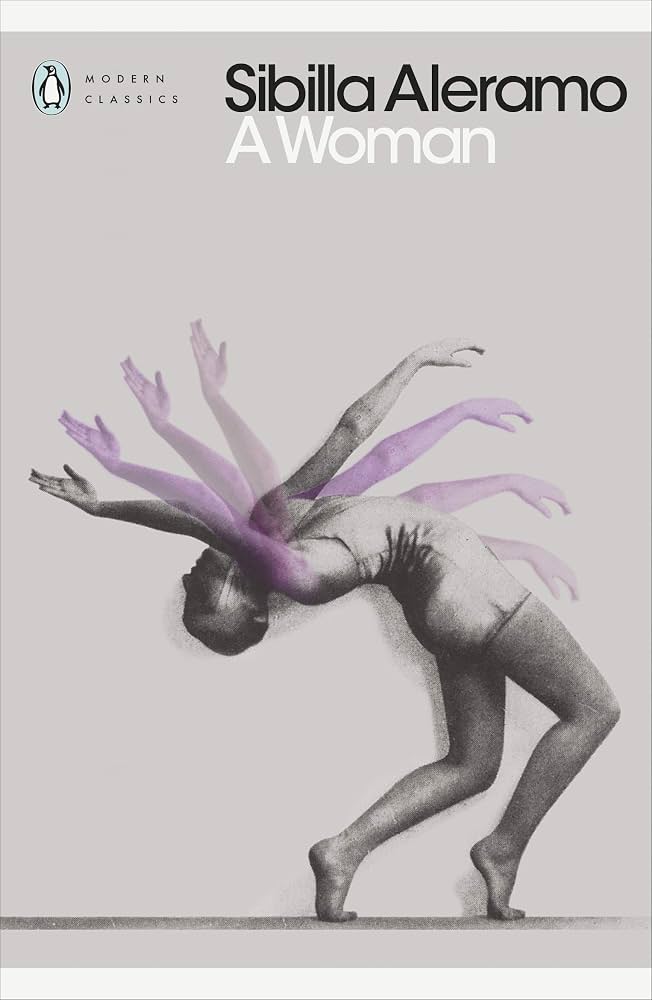
Another book that I’ve had on my shelf for a while, August also felt like the right time to pick up A Woman by Sibilla Aleramo. I can’t believe this magnificent writing was in the same house as me this whole time without my knowing.
Again a semi-autobiographical piece, A Woman (or Una Donna in Italian) follows a nameless woman from girlhood through to motherhood at the turn of the 20th century. As she grows up, our narrator begins to realise how similar her situation is to that of her mother (who is sent to a psychiatric hospital) and many of the women around her. She has no rights, and no power to leave her husband, who beats and rapes her, without losing her son.
A landmark in feminist writing, A Woman is at times an absolutely brutal read, but also contains some of the most beautiful meditations on love, loss, and motherhood that I’ve ever read. It’s one of those books that I am so glad was written, and I’d recommend everyone read.
Pink Soap by Anju Gaston
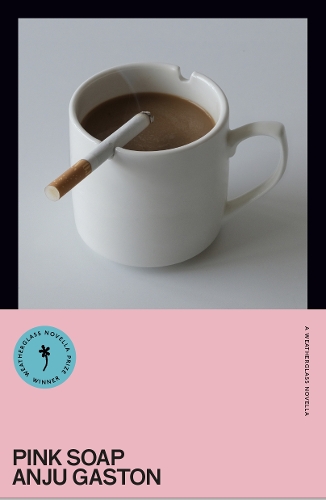
I had only brought one book with me to France, so once I’d finished A Woman I went to Read the Room in Nice, an adorable English-language bookshop and cafe, to find my next read. My boyfriend and I had pancakes and then browsed the shelves. I chose the novella Pink Soap, which was on a display of books recommended by the staff.
Winner of The Weatherglass Novella Prize, Pink Soap picks up in the aftermath our main character’s most recent psychotic episode, during which she sent offensive emails and texts to everyone she knows. She’s seeing a psychiatrist, and getting through pink pencils at an alarming rate as she draws the same bar of pink soap every day. She travels to Japan to see her estranged father and tries to piece her life and relationships back together.
I can’t say I loved this one. I never felt that I wanted to put it down and never pick it up again, but I also didn’t feel any great need to know what was going to happen. I appreciate that it’s a novella, more of a snapshot rather than a complete story, but I was left feeling a bit short-changed. However, I did find it flowed well from beginning to end, and I wasn’t slogging my way through it on the flight home, where I finished reading it.
It certainly has its place in my canon of books about women struggling with mental illness, but I’m not going to be throwing it at anyone and insisting they read it any time soon.
The Woman Warrior by Maxine Hong Kingston
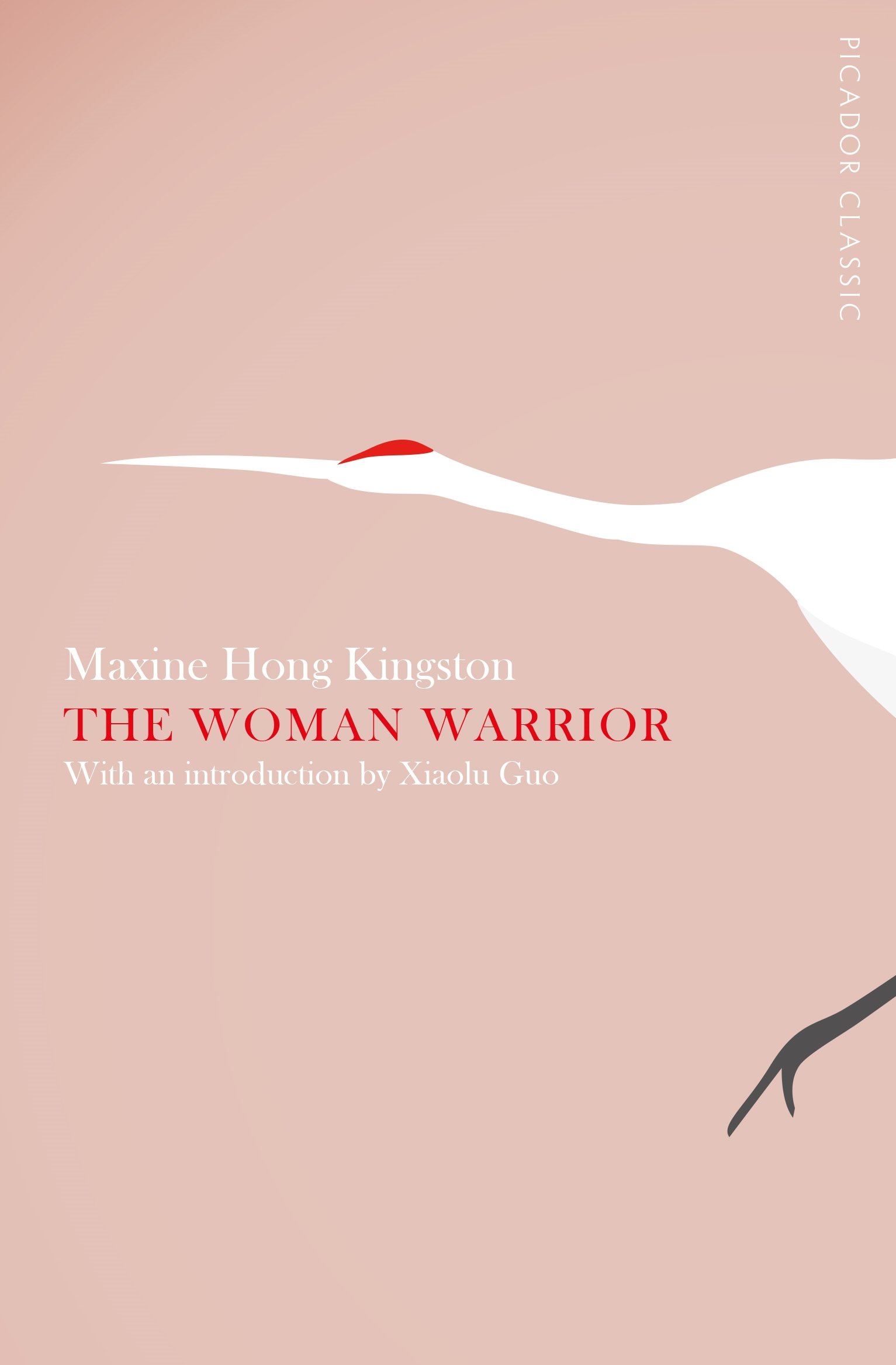
I returned to The Woman Warrior this month after setting it down for a while, and finally finished it. I’m reading it for the Open Yale ‘The American Novel Since 1945’ course that I’m following for free online, in an attempt to engage more with what I read.
The Woman Warrior is a memoir comprised of vignettes, many of which are tales told to Kingston by her mother when she’s ‘talking-story’. It explores the Chinese-American immigrant experience and the juxtaposition of growing up in a place so different to the myths and memories her mother recounts.
Whilst I am not well placed to truly judge, I did feel that some of the criticisms I have read of The Woman Warrior rang true for me (particularly those of Shirley Geok-lin Lim and Katheryn M. Fong). At times it felt like there was an extreme ‘othering’ of Chinese culture. However, it is not Kingston’s responsibility to moderate what Americans think of China and Chinese immigrants.
I found certain sections very enjoyable, particularly towards the beginning of the book, but overall I wasn’t enamoured by The Woman Warrior.


Leave a Reply