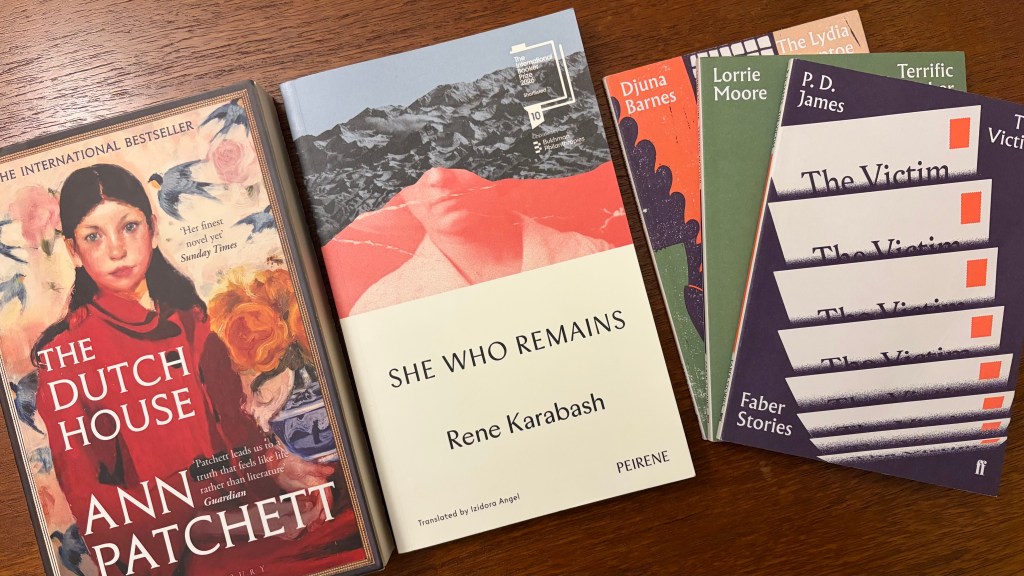
This month, all but one of my second-hand book purchases were from Vinted. The other was from my local Oxfam bookshop, which I don’t think I’ve ever exited without making a purchase. The books in there are always in such good condition – which does mean they charge slightly higher prices than other second-hand book shops, but they’re still much cheaper than retail price. So here’s what I bought in September, for a total of £21.57…
The Dutch House by Ann Patchett
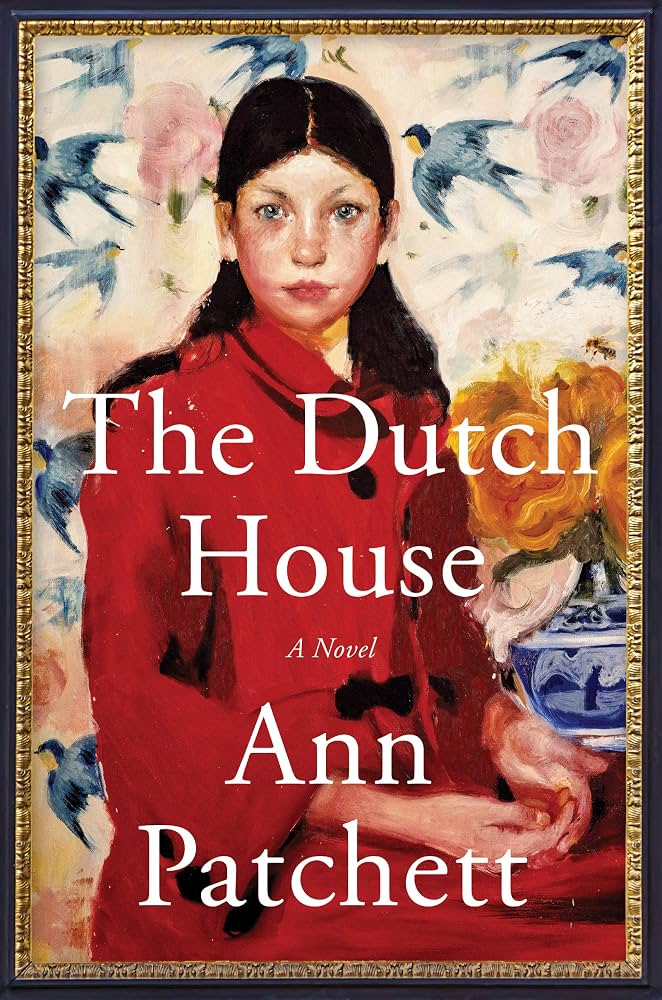
I needed to purchase The Dutch House for the book club I’ve started at work – I gave everyone a choice of four books to vote on and The Dutch House won by a landslide. Another recommendation from csop on YouTube, it’s my first Patchett. I knew there would be hundreds of copies on Vinted so I bought my copy on there in great condition.
At the end of the Second World War, Cyril Conroy combines luck and a single canny investment to begin an enormous real estate empire, propelling his family from poverty to enormous wealth. His first order of business is to buy the Dutch House, a lavish estate in the suburbs outside of Philadelphia. Meant as a surprise for his wife, the house sets in motion the undoing of everyone he loves.
The story is told by Cyril’s son Danny, as he and his older sister, the brilliantly acerbic and self-assured Maeve, are exiled from the house where they grew up by their stepmother. The two wealthy siblings are thrown back into the poverty their parents had escaped from and find that all they have to count on is one another. It is this unshakeable bond between them that both saves their lives and thwarts their futures.
Set over the course of five decades, The Dutch House is a dark fairy tale about two smart people who cannot overcome their past. Despite every outward sign of success, Danny and Maeve are only truly comfortable when they’re together. Throughout their lives they return to the well-worn story of what they’ve lost with humor and rage. But when at last they’re forced to confront the people who left them behind, the relationship between an indulged brother and his ever-protective sister is finally tested.
She Who Remains by Rene Karabash (tr. by Izidora Angel)
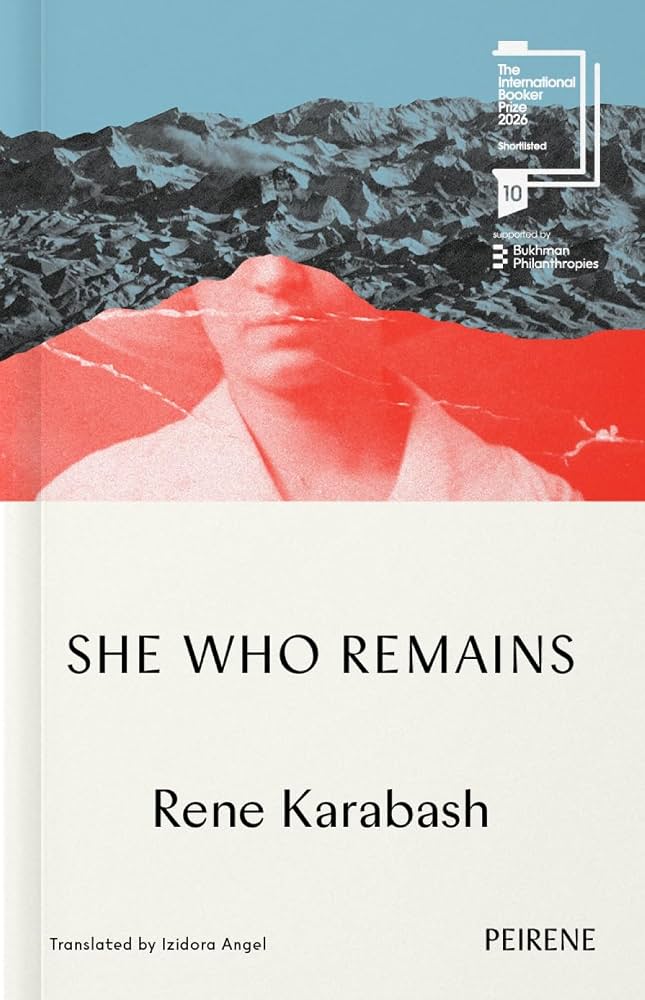
She Who Remains was my Oxfam find of the month. I’ve had it on my TBR since it was shortlisted for the International Booker Prize this year. It lost out to Taiwan Travelogue for the ultimate prize. Karabash is a Bulgarian writer, but the novel centres around the ‘sworn virgins’ of Albania.
High in the Accursed Mountains, in a village ruled by the ancient laws of the Kanun, Bekja escapes an arranged marriage by becoming a sworn virgin, renouncing her womanhood to live as a man. Her decision sets off a brutal chain of events, destroying her family and separating her from the one she loves the most. Years later, as Bekija – now Matija – tells their story to a visiting journalist, long-buried truths come to light, along with the realisation of all that might have been.
The Victim by P.D. James
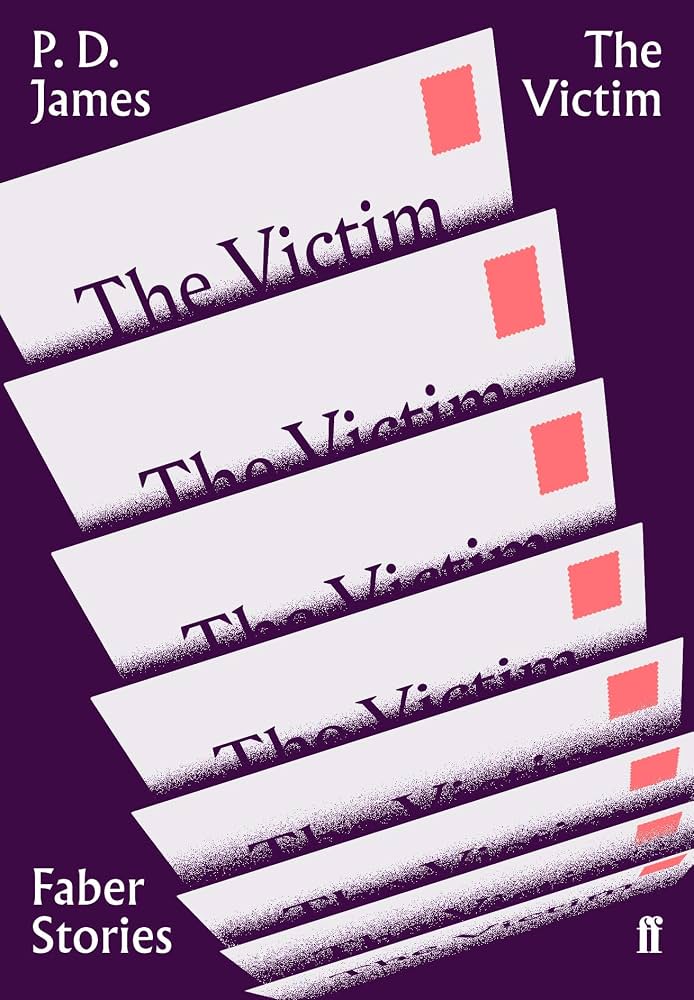
I got a bundle of three ‘Faber 90th Stories’ on Vinted for £6. The first of which is The Victim by P.D. James. First published in an anthology in 1973, The Victim is a dark crime short story that comes in at a mere 35 pages.
On the whole, it was easier than I had expected. Only once did I feel myself at risk. That was when the Inspector suddenly intervened. He said in a harsh voice: “He married your wife, didn’t he? Took her away from you some people might say. Nice piece of goods, too, by the look of her. Didn’t you feel any grievance?”
I had been expecting this question. I knew exactly what I would say.
The late, great P. D. James takes us inside the mind of a murderer.
The Lydia Steptoe Stories by Djuna Barnes
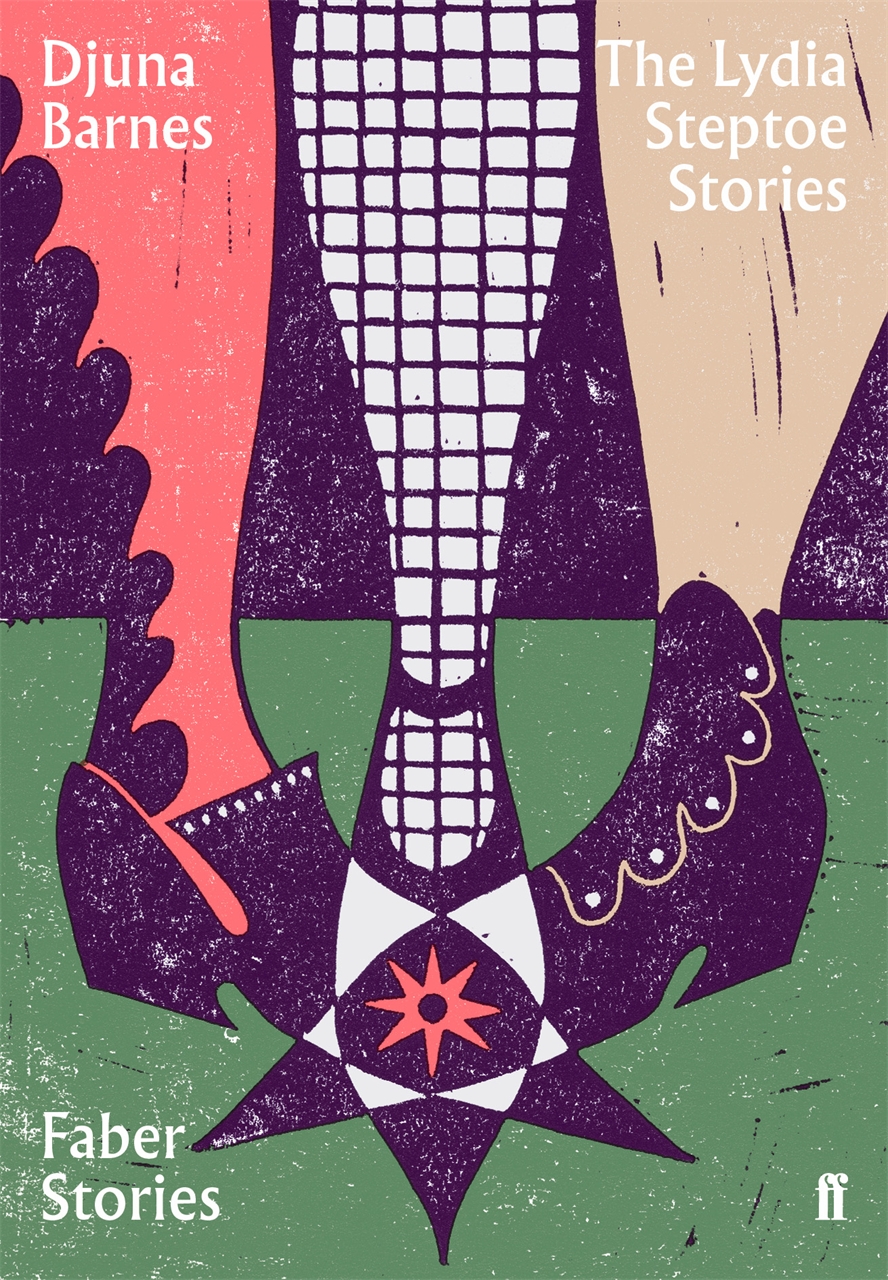
I’ve had Djuna Barnes’ Nightwood on my TBR for a while, so I’m excited to test out her writing in this collection of three of her shorts works. Nightwood and much of her writing, including these stories, explore lesbian and queer themes, despite Barnes being born in the late 19th century. I’m looking forward to going down a rabbit hole about Djuna Barnes after reading this, as she seems like such an interesting figure.
In these three stories, written by Djuna Barnes under the pseudonym Lydia Steptoe, three characters find themselves on the brink of a sexual awakening – accompanied by guns, whips, and worldly innuendo.
A fourteen-year-old girl plans to become ‘a virago’, until her mother intercepts her first tryst by dressing up as her male lover. A boy of the same age is lured into the forest by his father’s mistress. A woman of forty falls in love and longs to kill herself, so unbearable is the return of the youth she thought she wanted. ‘Alice’, she tells herself, ‘be a man.’
Barnes makes gender and desire seem slippery and joyful – and makes the fictional Lydia Steptoe seem like a writer for our time.
Terrific Mother by Lorrie Moore
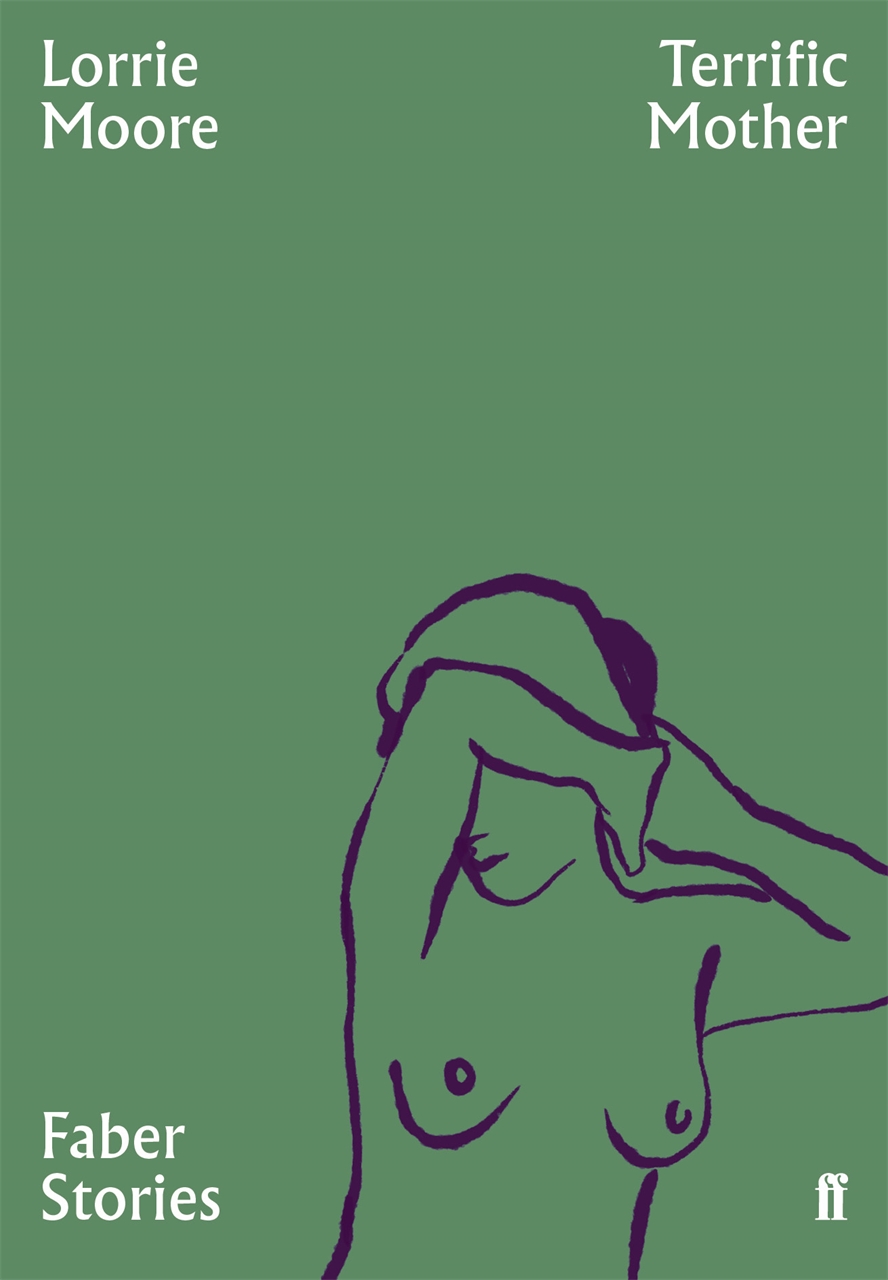
Probably the one that feels the most ‘me’ out of the three Faber Stories I bought, Terrific Mother explores the expectations put on women regarding motherhood when they reach a certain age. The longest of the three books at 76 pages, this one’s more of a novella than a short story. I love a novella.
Adrienne is living in a puritanical age, when the best compliment a childless woman can get is: ‘You’d make a terrific mother’. That’s when she goes to her friends’ Labor Day picnic and accidentally kills their baby.
The shock of this scene is expertly packed into two brief paragraphs. What follows is Adrienne’s retreat from life and her attempt to return to it.
Her sharp scepticism about the people around her is achingly funny. Yet beyond derision there is forgiveness and something along the lines of love.


Leave a Reply